
 +86-151 6876 5707

Copper/Brass/Bronze Continuous Casting Machine
What Is a Horizontal Continuous Casting Machine?
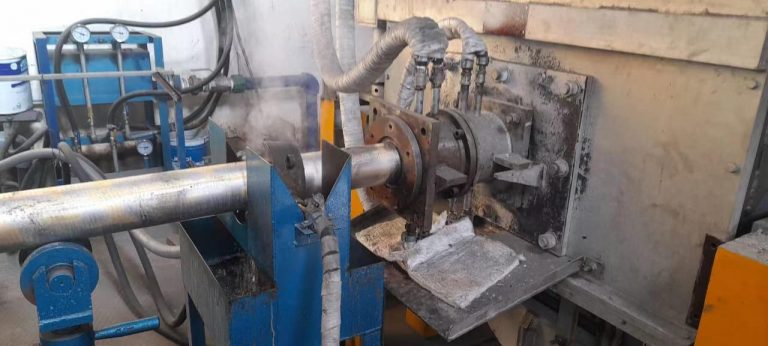
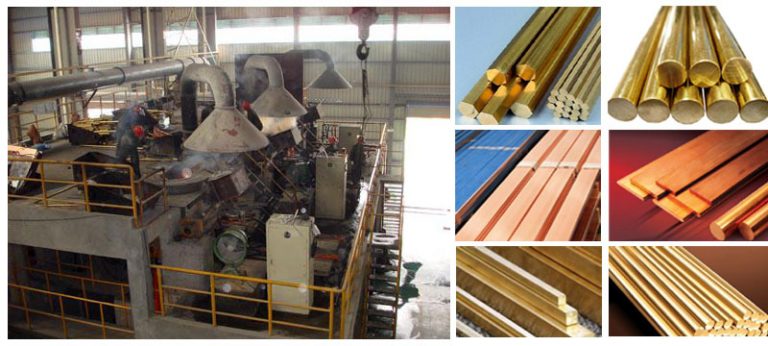
A horizontal continuous casting machine continuously forms molten brass or copper into rods and rectangular plate billets through a water-cooled graphite mould. Melting, temperature holding, solidification, horizontal withdrawal and cutting are connected in a short production route. COOLDO engineers every system around the specified alloy, cast section and quality target.
Horizontal Continuous Casting for Brass and Copper Rods and Plates
Material-Specific Engineering
Brass and pure-copper grades behave differently during melting and solidification. Furnace atmosphere, temperature window, graphite mould, cooling and withdrawal recipe are therefore confirmed for the customer's actual composition.
Round and Rectangular Cast Sections
The line can be configured for round rods or rectangular plate billets. "Plate" on this page means an as-cast rectangular billet or slab intended for the approved downstream rolling, machining or forming process, not finished sheet.
Integrated Continuous Production
Molten metal is transferred to a controlled holding zone, solidified in a water-cooled graphite mould, withdrawn horizontally and cut to the programmed length. Compared with separate batch casting stages, this coordinated route can reduce repeated open-air transfer and manual handling.
Horizontal Plant Arrangement
The strand travels horizontally along the runout line. Depending on the approved machine and factory layout, this can simplify civil-work planning compared with casting routes that require a deep vertical runout pit.
How Does a Brass and Copper Horizontal Continuous Caster Work?
The process is designed as one controlled route from prepared melt to cut cast product.
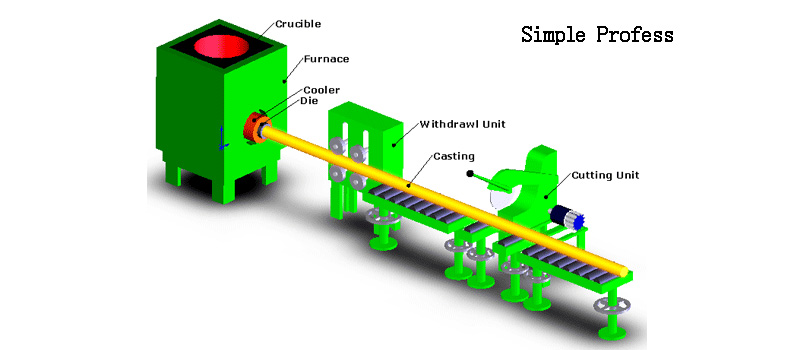
Melt
Charge material is melted under the approved temperature and chemistry controls.
Hold
The holding furnace stabilizes the molten metal before it reaches the mould.
Solidify
Metal enters a graphite mould surrounded by a controlled water-cooling assembly.
Withdraw
A servo system applies the programmed pull, pause and optional push-back sequence.
Cut
The solid rod or plate billet is measured and cut to the confirmed delivery length.
Copper Alloys, Rods and Plate Billets the Line Can Produce
The main scope is copper and copper alloys. Each material and cast form is approved against its chemistry, solidification behavior, cross-section, tolerance and downstream process.
Pure Copper and Red Copper
Round rods or rectangular billets can be evaluated for pure-copper grades, including red copper and specified oxygen-controlled copper.
- Raw-material purity and oxygen target must be supplied
- Melt protection and holding practice are grade-specific
Brass Alloys
Round brass billets can be produced for compatible extrusion, forging, machining or rolling routes; rectangular brass plate billets can also be evaluated.
- Zinc content and complete composition must be confirmed
- Temperature and fume-control requirements are project-specific
Bronze and Special Copper Alloys
Tin bronze, aluminum bronze, phosphor bronze and other copper-alloy projects may be evaluated after a technical review or material trial.
- Not every alloy can use the same furnace or mould
- Cooling and withdrawal recipes require verification
Round Rods and Rectangular Plate Billets
Graphite mould geometry is designed for the approved round rod or rectangular as-cast slab.
- Custom diameter, width, thickness and cut length
- Plate billet is feedstock for later rolling, machining or forming

Main Components of a Horizontal Continuous Casting Line
The components below are configured as one interdependent production system.


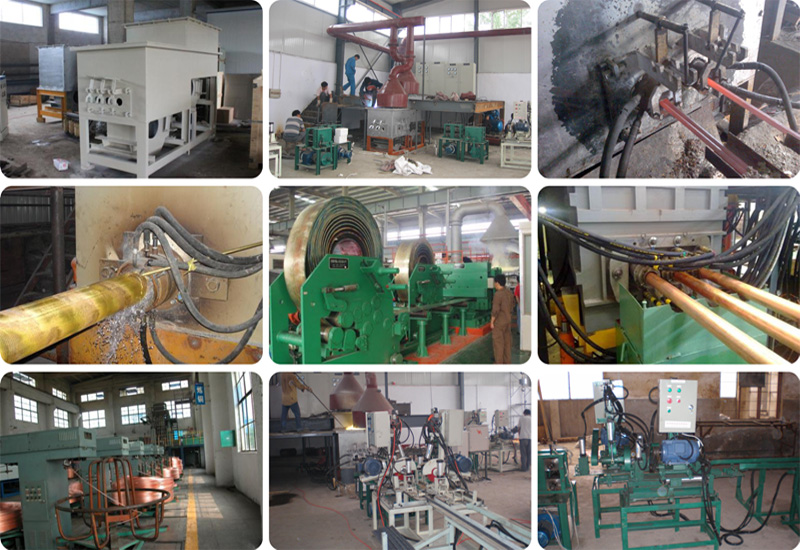

Cooling-Water Distribution
Controls heat removal from the inductor, crystallizer and other approved cooling circuits.
PLC and Electrical Controls
Coordinates temperature monitoring, withdrawal recipes, alarms, interlocks and line status.
Hydraulic and Auxiliary Systems
Supports the specified furnace, mould-change, cutting and material-handling functions.
Horizontal Continuous Casting Machine Configuration Guide
Because rod and rectangular plate-billet projects differ substantially, COOLDO confirms the following data before issuing the technical proposal.
| Engineering Item | Information Required | Why It Matters |
|---|---|---|
| Metal and composition | Brass grade or copper grade, raw-material form and chemistry limits | Determines melting practice, holding conditions and contamination controls. |
| Cast product | Round rod or rectangular plate billet | Defines mould geometry, withdrawal arrangement and runout layout. |
| Cross-section | Diameter, or width × thickness, with tolerances | Sets crystallizer design, strand count and cooling requirements. |
| Production target | Required kg/h, tonnes/day or tonnes/year | Supports furnace capacity, strand quantity and line-speed selection. |
| Cut length | Required finished cast length and downstream handling | Determines cutting method, runout length and collection system. |
| Factory utilities | Voltage, frequency, cooling water, compressed air and layout | Allows correct electrical, cooling and installation engineering. |
Final performance, tolerances, surface condition and utility values must be stated in the approved COOLDO quotation and technical agreement.
Why Use Horizontal Continuous Casting for Brass and Copper?
Horizontal casting can connect controlled melting and holding directly with continuous solidification and programmed withdrawal. The layout is especially useful when the required cast section, plant arrangement or downstream line favors horizontal runout.
Short Continuous Route
Connects holding, solidification, withdrawal and cutting while reducing repeated transfer between separate stages.
Reduced Metal Exposure
A coordinated, below-surface transfer and holding design can help limit unnecessary exposure of the molten metal to air.
Controlled Solidification
Mould geometry, cooling-water conditions and servo withdrawal are coordinated for the approved cast section.
Automated Process Control
Temperature, cooling and movement parameters can be monitored through one electrical control system.
Custom Product Geometry
The mould and runout line can be engineered for confirmed round rods or rectangular plate billets.
Practical Horizontal Layout
The horizontal runout can simplify access and plant planning where the approved site arrangement permits.
Horizontal Continuous Casting Machine FAQs
Can one horizontal continuous casting machine make both rods and plate billets?
The overall line concept can be engineered for round or rectangular sections, but each approved product requires suitable moulds, crystallizers, withdrawal support and cutting arrangements. Changeover feasibility must be reviewed from the requested sizes and alloys.
Which copper materials can be cast?
The main scope includes compatible pure-copper and red-copper grades, brass alloys and selected bronze or special copper alloys. COOLDO must review the complete composition, raw material, oxygen or impurity limits, cast section and downstream quality requirements before confirming the process.
Can the same line also cast aluminum or zinc?
Aluminum and zinc are not presented as automatic extensions of this copper-line configuration. Their melting, holding, mould, safety and process requirements must be assessed as separate projects before compatibility can be confirmed.
Does "copper plate" mean finished sheet?
No. In this product context it means a rectangular as-cast copper or brass plate billet/slab. Rolling, machining or another downstream process may still be required to produce the final plate or sheet dimensions and surface.
What are the main systems in the line?
A typical project can include melting and holding furnaces, a graphite mould and water-cooled crystallizer, cooling-water distribution, servo withdrawal, runout, cutting, hydraulics and PLC electrical controls.
How is the casting size customized?
Send the rod diameter or plate-billet width and thickness, tolerance, alloy, cut length and output target. COOLDO then evaluates mould geometry, strand quantity, furnace capacity, cooling and handling.
What information is required for a quotation?
Provide alloy composition, raw-material form, required section and length, target output, downstream process, factory voltage and frequency, cooling-water conditions, installation country and available floor plan.
Plan Your Brass or Copper Horizontal Casting Line
Send the alloy, rod diameter or plate-billet section, cut length and required output. Email sales@cdoinduction.com or call 15168765707.